For decades, deploying and managing cellular infrastructure meant relying heavily on closed, proprietary hardware ecosystems. Telecommunication operators and large enterprise campus networks alike were bound to single-vendor equipment loops—where base stations, core software, and hardware radios formed a monolithic, rigid block. If you wanted to scale or upgrade, you bought more from the same vendor, absorbing whatever licensing costs and hardware limitations came with it.
Today, that paradigm is shifting dramatically. Driven by the maturation of virtualization, containerization, and open-source software communities, the telecommunications world is embracing open-source 5G RAN (Radio Access Network) architectures. This movement is fundamentally altering how modern internet infrastructure is designed, deployed, and maintained, offering profound implications for network operators, businesses, and everyday connected users.
Understanding the Shift: What Is an Open 5G RAN?
To understand why open-source 5G RAN is generating so much momentum, it helps to look at traditional cellular infrastructure. A standard cellular base station traditionally combined specialized proprietary silicon, custom radio hardware, and locked-down baseband software into a single appliance. If a bug appeared in the software stack or if an organization wanted to optimize resource usage, they had to wait for the vendor's proprietary update cycle.
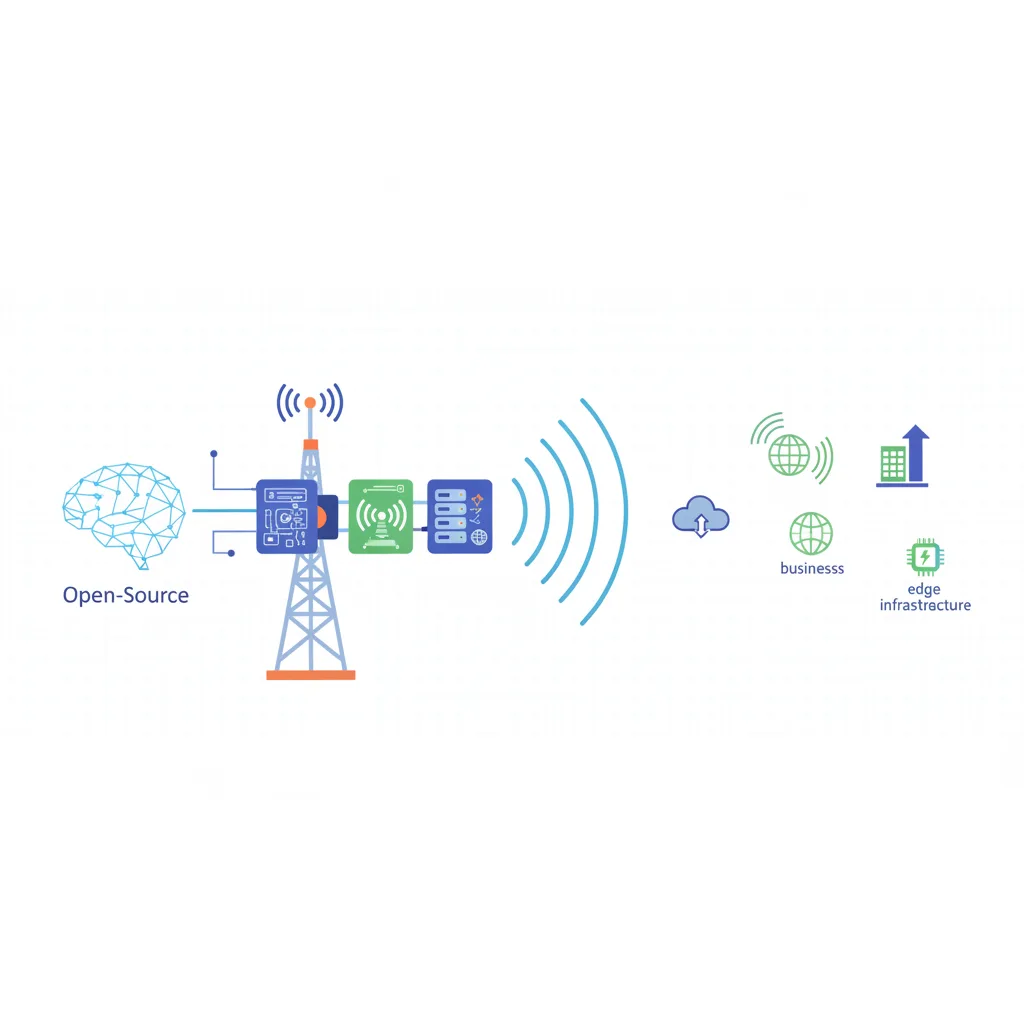
An Open RAN architecture disaggregates these components:
- Hardware-Software Separation: The software running the base station functions independently from the underlying physical radio hardware.
- Standardized Interfaces: Open interfaces allow equipment from different vendors to interoperate seamlessly.
- Virtualization and Cloud-Native Design: RAN functions can run on standard commercial off-the-shelf (COTS) servers rather than custom application-specific integrated circuits (ASICs) everywhere.
When open-source projects enter this space, they provide transparent, community-vetted software stacks that implement these open standards. This gives network engineers unprecedented visibility into performance profiles, memory utilization, and packet processing pipelines.
Why Open-Source 5G RAN Matters for Enterprises and Telecoms
The transition toward open and disaggregated networks is much more than an academic exercise for telecom engineers. It addresses structural challenges that have plagued infrastructure management for years. Here is why the shift matters:
1. Breaking Vendor Lock-In
In a closed ecosystem, switching vendors requires a costly, complex rip-and-replace cycle. Open-source 5G RAN platforms introduce true multi-vendor flexibility. Organizations can mix and match radio units from one provider with centralized unit software from another, driving down hardware acquisition costs through healthy market competition.
2. Enhanced Performance Tuning and Optimization
Open-source software allows internal engineering teams to inspect, audit, and fine-tune code bases to suit specialized operational environments. Whether it involves trimming memory footprints for resource-constrained edge locations or streamlining DNS and signaling delays, open ecosystems empower developers to optimize network layers in ways closed black-box software never allowed.
3. Agility in Private Cellular Deployments
Modern enterprises—ranging from automated manufacturing plants and smart ports to large logistics hubs—increasingly rely on private 5G networks to support mission-critical IoT devices and automated guided vehicles. Open-source 5G RAN stacks make it significantly more feasible for IT teams to spin up, test, and manage private cellular networks without navigating prohibitive enterprise licensing hurdles.
Key Challenges in Implementing Open-Source RAN Platforms
Despite the compelling advantages, moving away from turnkey, single-vendor infrastructure introduces new operational complexities. IT decision makers considering open-source networking must account for several key hurdles:
- Integration Complexity: Combining software from open-source repositories with third-party hardware requires rigorous testing and sophisticated systems integration.
- Security and Compliance: While open-source code benefits from community audits, managing security patches and maintaining compliance across a disaggregated software supply chain demands proactive vigilance.
- Internal Skill Requirements: Operating a cloud-native 5G network requires cross-disciplinary expertise spanning traditional telecommunications engineering, cloud orchestration tools like Kubernetes, and advanced Linux networking.
Best Practices for Evaluating Open-Source Connectivity Solutions
For organizations looking to explore open-source networking and disaggregated RAN architectures, a measured, phased approach yields the best results:
- Start in a Sandbox Environment: Deploy testbed environments to evaluate throughput, latency, and resource consumption before touching production traffic.
- Prioritize Interoperability Standards: Ensure that any hardware or software components adhere strictly to recognized industry specifications from groups like the O-RAN Alliance.
- Invest in Observability: Because disaggregated networks involve multiple distributed layers, robust logging, monitoring, and telemetry tools are non-negotiable for rapid troubleshooting.
- Engage with the Community: Active participation in open-source telecom communities provides early access to bug fixes, performance enhancements, and peer troubleshooting.
The Road Ahead for Modern Internet Infrastructure
The evolution of open-source 5G RAN is part of a broader, unstoppable trend toward software-defined, highly distributed infrastructure. As edge computing demands multiply and organizations look for greater resilience and cost-efficiency in their connectivity layers, closed proprietary models will face mounting pressure.
By embracing disaggregated network principles, the tech industry is building a more resilient, transparent, and adaptable foundation for the next generation of mobile technology and enterprise automation.
Related guides
- Fifth generation of mobile network (5G)
- 2G vs 3G vs 4G vs 5G: differences, speed and features
- Edge-native networking: why distributed infrastructure is redefining connectivity
- IT infrastructure and security services
For a general overview, see the Wikipedia article on Open RAN.