In the world of technology, headlines move fast. One week, the conversation is dominated by breakthrough capabilities in generative models or quantum computing milestones; the next, a startling revelation emerges about physical supply chain vulnerabilities, compromised silicon, or deeply embedded firmware flaws. When stories break about malicious hardware alterations—such as unauthorized microchips covertly integrated into consumer or enterprise devices—it triggers an immediate panic across the tech community.
For IT decision-makers, developers, and tech-curious professionals, these incidents serve as a stark reminder that our digital ecosystem rests upon an incredibly complex, globalized physical foundation. However, they also create a thick fog of hype, fear, and speculation. Sifting through this noise to understand where real technical threats lie—and separating actual engineering breakthroughs from sensationalized risks—is one of the most critical challenges facing modern organizations.
The Anatomy of Modern Supply Chain Vulnerabilities
To understand the current state of hardware and infrastructure security, we must first look at how modern technology is built. Unlike software, which can be patched via an over-the-air update in minutes, hardware has a long, winding pedigree. A single device may contain components fabricated in one country, packaged in another, assembled in a third, and loaded with firmware written by distributed teams across the globe.
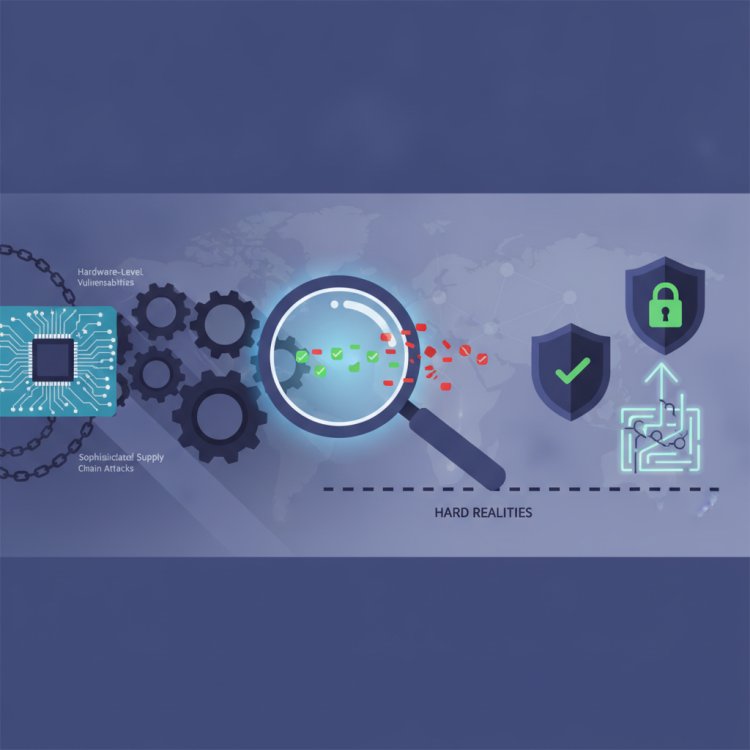
This distributed model yields incredible efficiency and innovation, but it expands the attack surface exponentially. When we discuss hardware-level tampering or unauthorized micro-interconnects (often colloquially referred to as "spy chips"), we are looking at the extreme end of supply chain risk. While nation-state actors have long possessed the capability to intercept shipments or compromise silicon during fabrication, these threats are vastly different from standard software vulnerabilities.
Yet, the tech media often conflates theoretical vulnerabilities with widespread, active exploitation. Understanding the distinction between what is *technically possible* in a high-security laboratory and what is *economically viable* for a mass-market attacker is essential for maintaining a balanced security posture.
Separating Fact from Fiction: The Reality of Advanced Hardware Threats
When evaluating emerging tech risks—whether you are deploying IoT sensors at the network edge, utilizing decentralized Web3 hardware wallets, or scaling cloud infrastructure—it helps to apply a rigorous skepticism to sensational claims. Here is how to separate the hype from reality:
1. Targeted Interception vs. Mass Contamination
The Hype: Every device on the open market is secretly bugged at the factory.
The Reality: True hardware-level implantations—modifying silicon layouts or inserting physical micro-components onto a circuit board—are extraordinarily expensive, difficult to scale, and leave distinct physical or electrical signatures. These techniques are typically reserved for high-value, highly targeted espionage rather than mass-market attacks. Broad consumer or enterprise threats are far more frequently rooted in software exploits, firmware bugs, or insecure cloud configurations.
2. The "Air-Gapped" Illusion
The Hype: Physical hardware ownership guarantees total data sovereignty and privacy.
The Reality: Owning the physical device does not mean you control its entire lifecycle. Modern hardware relies heavily on complex, closed-source firmware and remote telemetry services. If a device regularly communicates with external servers, the security of that hardware is inextricably linked to the security of its network pathway and software update mechanisms.
3. Complexity as a Liability
The Hype: More advanced, multi-functional emerging tech hardware is inherently more secure because of modern engineering standards.
The Reality: Complexity is the enemy of security. The more integrated circuits, wireless radios, and third-party intellectual property blocks packed into a single piece of silicon, the harder it is to audit. The trend toward hyper-specialized chips means that verifying every square millimeter of a microchip has become an monumental task.
A Practical Checklist for Mitigating Emerging Tech Risks
Instead of panicking over every alarming headline, organizations and tech professionals should adopt a proactive, framework-driven approach to hardware and supply chain integrity. Use the following checklist to evaluate and tighten your tech stack:
- Audit Your Vendor Ecosystem: Demand radical transparency from hardware suppliers regarding their sub-tier component sourcing, manufacturing locations, and firmware update provenance.
- Implement Zero-Trust Network Architecture: Never assume a device is safe simply because it is physically located inside your perimeter or branded as secure. Monitor outbound telemetry and isolate IoT and edge devices on restricted VLANs.
- Prioritize Verifiable Firmware: Utilize hardware that supports secure boot mechanisms, cryptographic attestation, and open-source or auditable firmware wherever possible.
- Adopt Defense-in-Depth: Do not rely on a single layer of security—whether it's a physical enclosure or a cryptographic protocol. Combine hardware safeguards with behavioral monitoring, multi-factor authentication, and anomaly detection.
- Stay Educated on Threat Intelligence: Follow rigorous, technical security analyses rather than mainstream panic-driven reporting to understand actual exploit vectors and remediation steps.
Navigating the Future of Hardware Trust
As we push deeper into an era defined by automated workflows, edge intelligence, and distributed data systems, the physical and digital worlds will continue to blur. The recent discussions surrounding hardware-level compromises should not paralyze development, nor should they be brushed aside as mere science fiction. Instead, they should act as a catalyst for a mature, industry-wide conversation about supply chain transparency.
By keeping a level head, demanding better accountability from manufacturers, and building resilient architectures that assume compromise is always possible, IT leaders and developers can harness the power of emerging technologies without falling victim to the cycle of fear and hype.