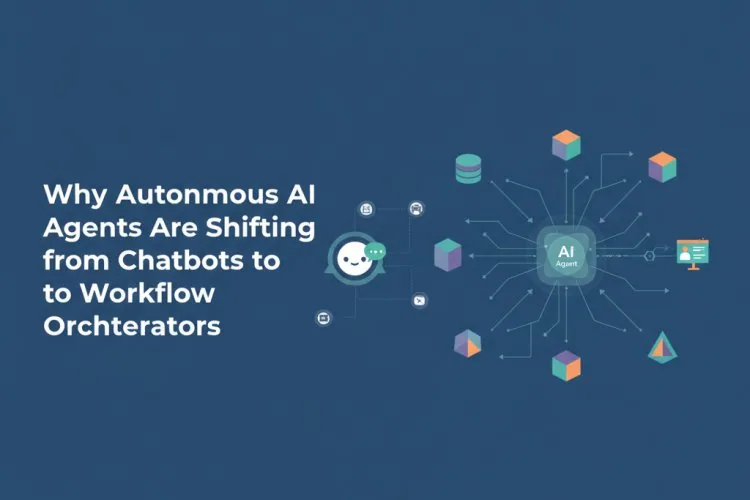
For the past few years, artificial intelligence integration has largely meant one thing: the conversational chatbot. Whether you were debugging code, drafting emails, or querying a company database, you interacted with a single large language model in a back-and-forth prompt loop. While powerful for isolated tasks, this model quickly hits a wall when faced with broad, enterprise-scale processes that require crossing multiple software tools, handling conditional logic, and maintaining context over days or weeks.
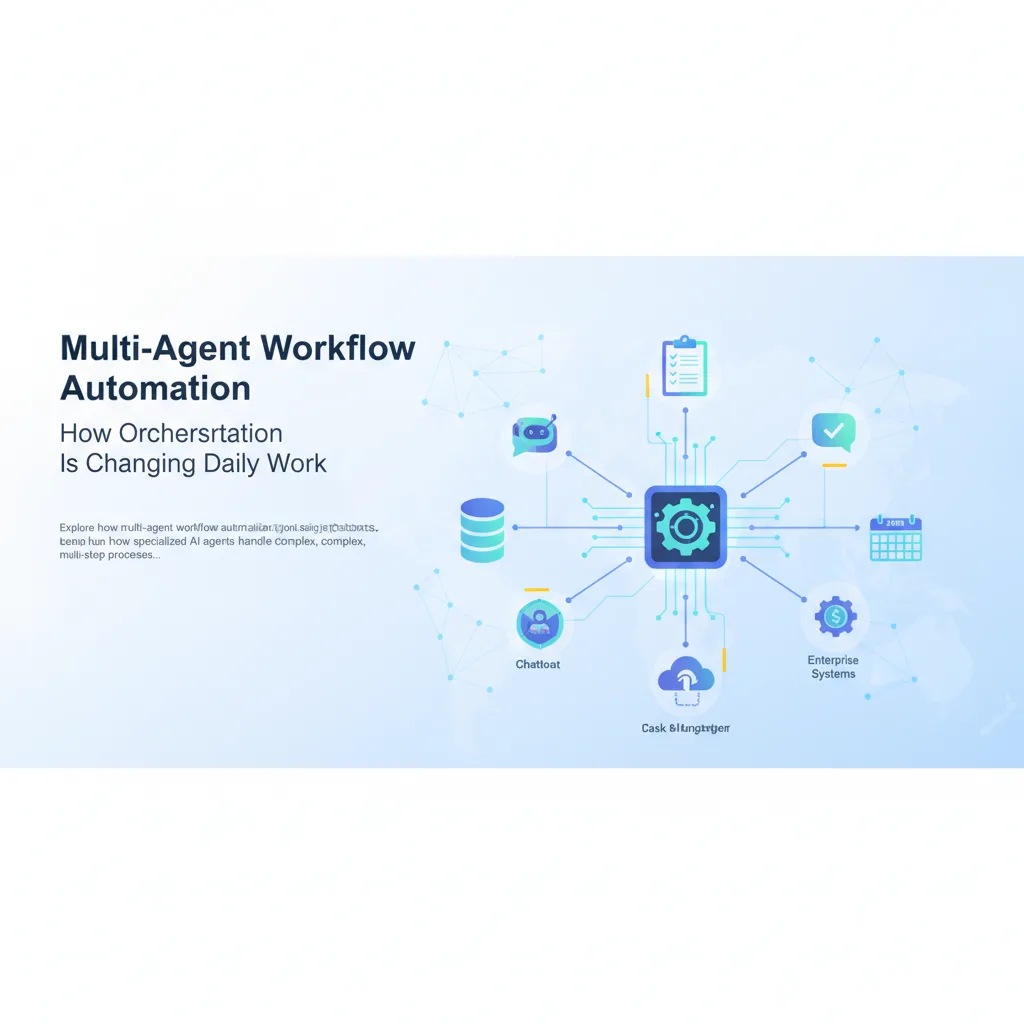
Enter multi-agent workflow automation. Rather than relying on a single all-knowing assistant, modern engineering and operations teams are deploying ecosystems of specialized, autonomous AI agents. By dividing complex business processes among targeted micro-agents, organizations are discovering a far more resilient way to automate work.
From Single Prompts to Collaborative Digital Teams
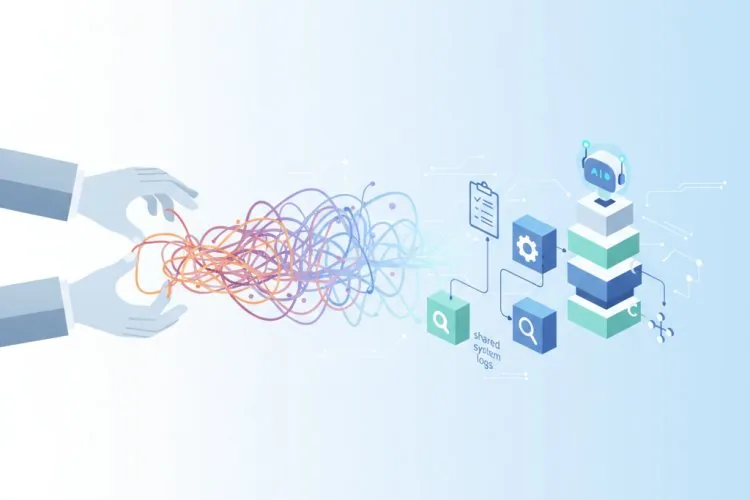
The core limitation of early AI automation was context overload and lack of specialization. Asking one model to manage customer support ticketing, analyze sentiment, update a CRM, and trigger a financial refund often resulted in hallucinations or dropped steps. It is the digital equivalent of hiring a generalist to simultaneously manage accounting, legal compliance, and software engineering.
Multi-agent architecture solves this by applying the Unix philosophy—doing one thing and doing it well—to artificial intelligence. In a modern automated workflow, you might have:
- The Intake Agent: Monitors incoming requests, classifies intent, and extracts structured data from unstructured emails or chat logs.
- The Verification Agent: Cross-references incoming data against internal compliance databases, inventory sheets, or security logs.
- The Execution Agent: Interfaces via APIs with enterprise resource planning (ERP) or customer relationship management (CRM) software to perform the approved action.
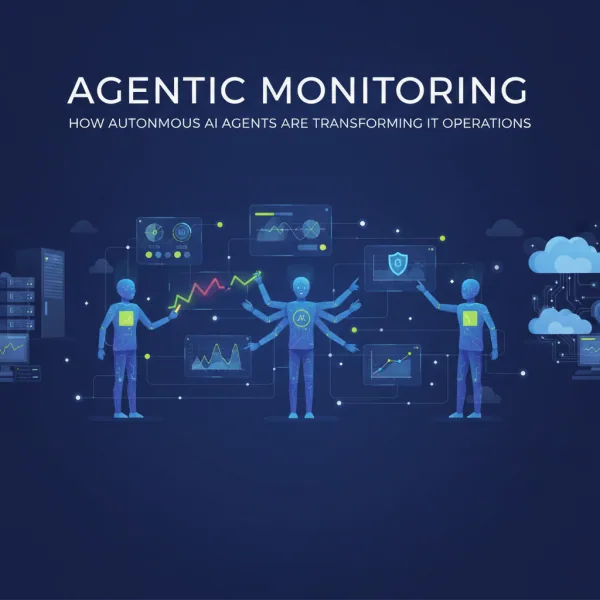
- The Oversight Agent: Monitors the entire transaction for anomalies, logging errors and escalating edge cases to human supervisors.
These agents do not operate in a vacuum. Through structured communication protocols, they pass state, negotiate actions, and hand off tasks dynamically based on the current requirements of the pipeline.
How Workflow Orchestration Changes the Developer Experience
For developers and IT architects, building with autonomous agents requires a shift from traditional procedural programming to declarative orchestration. Instead of writing strict if-then blocks for every possible edge case, developers define agent personas, guardrails, tool permissions, and success criteria.
This approach heavily intersects with the rise of no-code and low-code tooling. Business analysts who understand logic and data flows can now assemble agent pipelines visually, connecting pre-built enterprise connectors to specialized reasoning models. However, building production-grade systems still demands rigorous engineering oversight.
Core Pillars of Reliable Multi-Agent Systems
- Strict Boundary Control: Agents must operate within explicit permission scopes. A data-retrieval agent should never possess the API keys required to execute financial transactions.
- Deterministic Fallbacks: When an agent encounters ambiguous data it cannot resolve, the system must gracefully pivot to human-in-the-loop (HITL) review rather than guessing an output.
- State Persistence: Long-running processes require robust external memory stores so that agents can pick up where they left off without losing context due to network interruptions or model updates.
- Auditable Logging: Every decision made by an agent—including the prompt context and tools invoked—must be trackable for debugging and regulatory compliance.
The Impact on Daily Work and Productivity
What does this mean for how professionals actually spend their days? As multi-agent orchestration matures, routine administrative drag continues to shrink. Employees transition from being task executors to workflow supervisors.
Instead of manually copying data between disparate SaaS platforms, generating quarterly reporting summaries, or hunting down status updates across departments, workers spend their energy defining parameters, reviewing high-confidence agent output, and handling strategic exceptions. The computer finally starts doing the computer work, leaving human ingenuity focused on problem-solving, creative design, and interpersonal collaboration.
Looking Ahead
Multi-agent workflow automation marks a fundamental maturation in how we apply AI to real-world operations. By moving away from monolithic assistants and toward collaborative digital teams, organizations are building scalable systems that adapt to shifting demands without burning out human bandwidth.
As developer frameworks and orchestration platforms continue to evolve, the distinction between software code and AI logic will blur further. The future of work is not about replacing human decision-making, but about surrounding every professional with a dependable, specialized network of automated digital teammates.