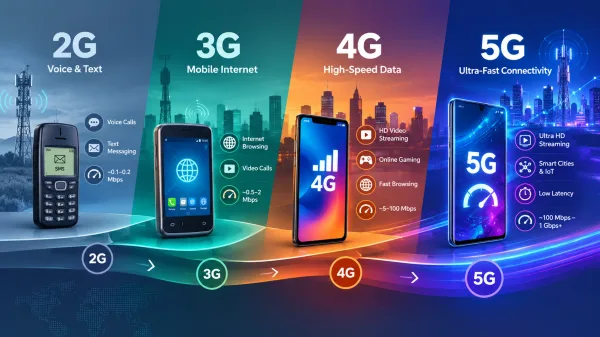
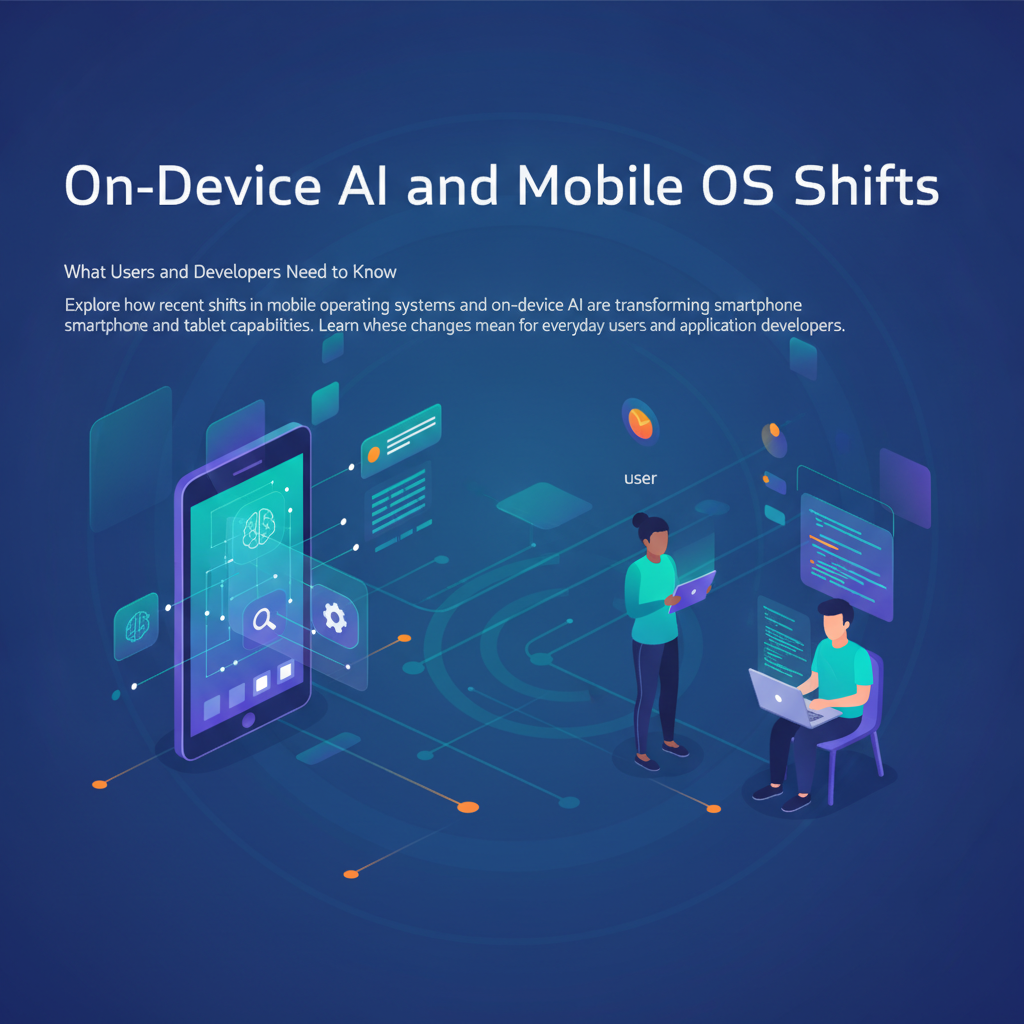
Mobile technology is undergoing a quiet yet seismic transformation. For years, the evolution of smartphones and tablets was measured primarily by screen resolution bumps, multi-lens camera arrays, and incremental processor speed increases. Today, however, the landscape is shifting toward foundational changes in how mobile operating systems manage hardware, process local artificial intelligence, and interact with external displays and accessories.
Recent platform updates and hardware recalibrations have highlighted a delicate tension in modern mobile ecosystems. When core OS features—such as external display routing, presentation tools, or background task management—are altered, the ripple effects are felt immediately by everyone from casual users giving high-stakes boardroom presentations to developers architecting complex cross-platform apps. Understanding these shifts is crucial for anyone navigating the current mobile ecosystem.
The Dual Pressures on Modern Mobile Hardware
Modern mobile devices are expected to function as pocket-sized supercomputers capable of handling tasks once reserved for high-end desktop workstations. From real-time language translation to local video rendering and complex multitasking, the demands placed on smartphone and tablet silicon are immense.
This pursuit of high performance introduces a classic engineering challenge: balancing thermal limits, battery longevity, and software stability. When operating system vendors roll out sweeping updates—whether to accommodate new localized AI frameworks or to overhaul security protocols—under-the-hood APIs often undergo radical restructuring. While these changes frequently pave the way for long-term innovation, they can temporarily disrupt familiar workflows, breaking long-standing assumptions about how external peripherals and software features should behave.
For users, this means that an operating system update can unexpectedly alter familiar rituals, such as connecting a tablet to an external projector for a presentation or running split-screen productivity apps. For developers, it underscores the fragility of relying too heavily on platform-specific quirks rather than robust, standardized APIs.
On-Device AI: Redefining Performance and Expectations
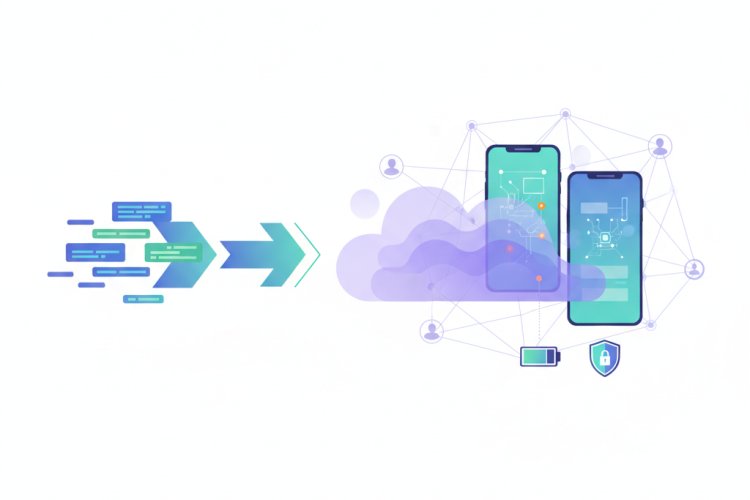
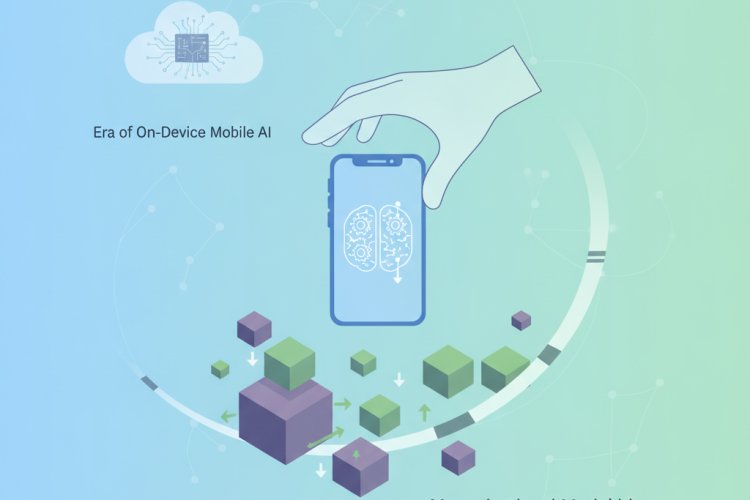
Perhaps the most profound shift in contemporary mobile technology is the widespread adoption of on-device artificial intelligence. Rather than relying entirely on cloud-based servers to process voice commands, predictive text, and image generation, modern mobile processors now feature dedicated neural processing units (NPUs) capable of running compact language models locally.
This localized approach offers distinct advantages:
-
Privacy: Sensitive user data remains on the device, minimizing the security risks associated with cloud data transmission.
Latency: Processing intelligence on local silicon drastically reduces response times, enabling real-time interactions without internet connectivity.
Reliability: Core AI features remain fully functional even in remote areas or during network outages.
However, running sophisticated AI models locally places extraordinary demands on device memory and thermal management. Developers must now optimize their applications not just for battery efficiency, but for shared NPU and GPU resources. Apps that consume excessive background resources can trigger thermal throttling, degrading the overall responsiveness of the mobile device.
What This Means for Everyday Users
For the average consumer and business professional, the rapid pace of mobile OS and AI evolution brings a mix of exciting capabilities and occasional frustration.
On one hand, your device is becoming genuinely proactive—predicting your schedule, summarizing lengthy documents locally, and enhancing media consumption in real time. On the other hand, shifting software paradigms mean that user interfaces are less static than they used to be. Core functionalities can evolve or shift locations between major OS updates, requiring a continuous learning curve.
To navigate this dynamic environment smoothly, users should adopt a few practical habits:
-
Review Release Notes: Before installing major operating system updates, check tech reviews or release notes to see if critical workflows—such as external display support or specialized app integrations—are affected.
Manage Storage and RAM: On-device AI features often reserve a portion of system memory and storage to cache models. Keeping sufficient free space ensures your device has the breathing room it needs to perform complex tasks.
Diversify Workflows: Avoid relying entirely on a single mobile device for critical tasks like client presentations or live data streaming without having a reliable backup plan.
What This Means for App Developers
For software engineers and mobile product managers, the current era demands a resilient, adaptive approach to development. The days of writing code tailored to a single, static OS environment are fading fast.
Developers must design applications with modularity and grace in mind. If an operating system update alters how external displays are managed or how background tasks are prioritized, applications should degrade gracefully rather than crashing or locking up. Furthermore, integrating with on-device AI APIs requires a deep understanding of resource management. Writing efficient, lightweight code that respects battery constraints and hardware limits is no longer optional—it is a core competitive advantage.
As the boundary between hardware and software continues to blur, staying closely aligned with developer preview programs and platform guidelines is essential for catching breaking changes early.
Looking Ahead
The convergence of on-device AI, advanced mobile silicon, and frequent operating system overhauls signals that the mobile tech landscape will only accelerate in complexity. While bumps in the road—such as temporary feature regressions or shifting developer APIs—are inevitable during periods of intense transformation, the ultimate destination is a more capable, intelligent, and responsive mobile ecosystem.
By understanding the underlying drivers of these changes, both users and developers can better prepare themselves for the next wave of mobile innovation, turning potential technical hurdles into opportunities for greater efficiency and creativity.