For over a decade, the mainstream smartphone ecosystem has been locked into a comfortable duopoly. Apple’s iOS and Google’s Android have served as the foundational bedrock for billions of mobile devices worldwide. However, the expectations of modern mobile users are shifting rapidly. With rising concerns over pervasive data collection, invisible telemetry, and the security implications of always-on device features, a growing segment of tech-curious professionals, privacy advocates, and security engineers are looking beyond standard consumer defaults.
This evolving landscape has brought alternative, hardened mobile operating systems—such as GrapheneOS—and hardware-level security measures into the spotlight. Far from being just a niche hobbyist pursuit, the momentum behind privacy-first mobile environments signals a broader shift in how we think about trust, data sovereignty, and security architecture on pocket-sized computers. For developers, IT professionals, and everyday users, understanding these changes is crucial for navigating the next phase of mobile technology.
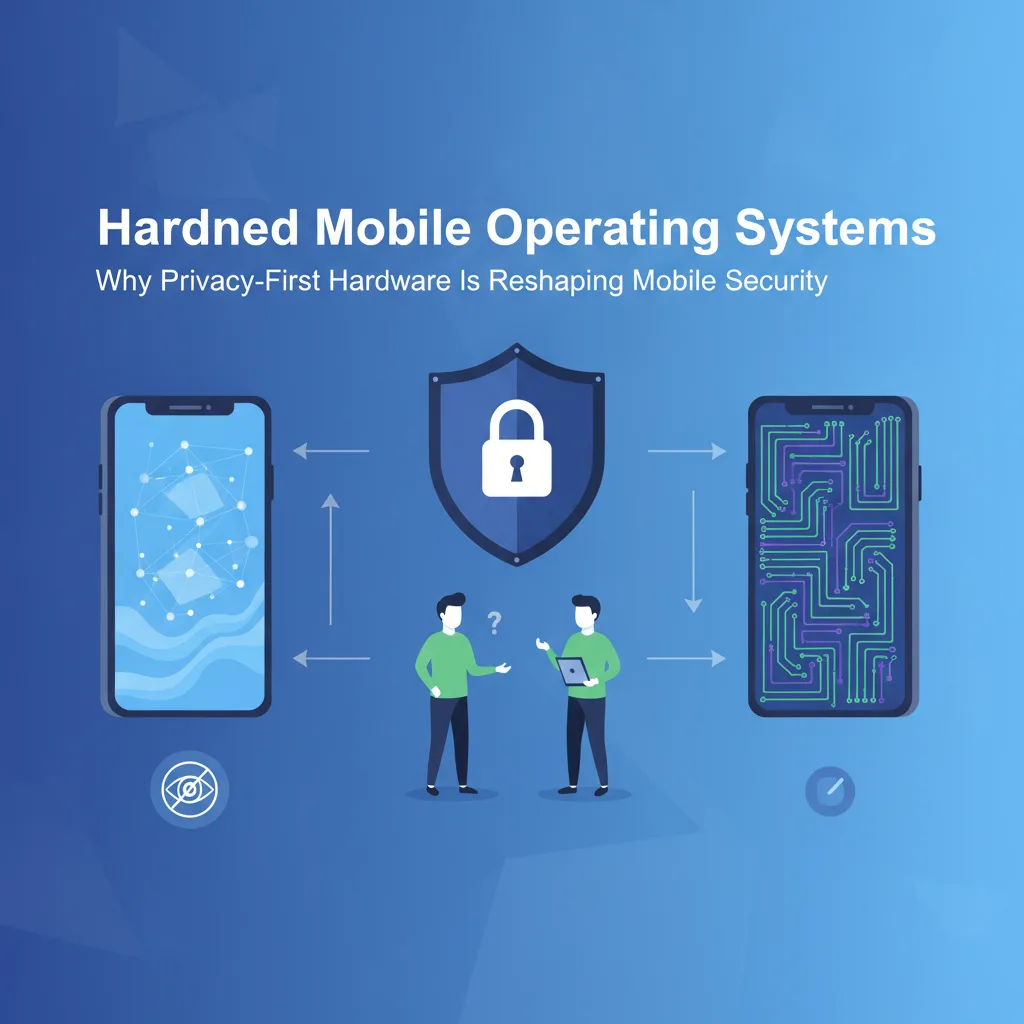
The Anatomy of Hardened Mobile Operating Systems
Mainstream operating systems are designed primarily for convenience, feature richness, and ecosystem lock-in. To achieve seamless synchronization across apps, cloud services, and third-party integrations, they often collect extensive telemetry and maintain broad background privileges. Hardened mobile operating systems take the opposite approach, prioritizing minimal attack surfaces and strict sandboxing above all else.
What sets a hardened OS apart? Typically, it involves several deep architectural adjustments:
- Aggressive Sandboxing: Restricting how applications communicate with one another and the underlying operating system kernel, ensuring that a compromise in one app does not cascade through the device.
- Elimination of Unnecessary Telemetry: Stripping out hardcoded tracking routines, persistent diagnostic reporting, and non-essential cloud hooks that constantly ping external servers.
- Advanced Memory Protection: Leveraging aggressive exploit mitigations, hardened memory allocators, and strict compiler-level security flags to make arbitrary code execution significantly harder for attackers.
- Ephemeral Permissions: Granting fine-grained, revocable access to hardware components like microphones, cameras, and location services on a strictly need-to-know basis.
By pairing these software-level enhancements with specialized secure hardware—such as dedicated hardware security modules (HSMs) and verified boot chains—these systems aim to restore user control over the device.
The Real-World Impact for Everyday Users
Transitioning away from a mainstream mobile operating system involves trade-offs. For the average user, moving to a privacy-focused, hardened environment requires careful consideration of daily workflows and app dependencies.
On the positive side, the privacy dividends are immediate. Users regain absolute authority over network access per application, meaning a flashlight app or a simple calculator can be permanently blocked from accessing the internet. Battery life can also see surprising improvements due to the absence of bloated background telemetry services running silently.
However, the user experience comes with friction. Many mainstream applications—particularly banking apps, corporate enterprise mobility management (EMM) tools, and region-specific services—rely heavily on proprietary push notification frameworks or hardware attestation APIs tied to mainstream ecosystem defaults. When those APIs are missing or altered in a hardened environment, certain apps may refuse to run or experience functional limitations. For everyday users, adopting a hardened mobile device requires a willingness to audit app dependencies and embrace open-source alternatives.
What This Means for Mobile Developers
For application developers and software engineers, the rise of alternative mobile operating systems and hardened hardware introduces both challenges and design lessons. As users increasingly demand privacy guarantees, developers can no longer assume a homogenous target environment.
Developing with a privacy-first mindset requires adapting to several operational realities:
- Decoupling from Proprietary Services: Building apps that do not strictly depend on a single ecosystem's proprietary push notification or location services helps ensure compatibility across alternative operating systems.
- Respecting Strict Sandboxing: Designing applications that function robustly even when inter-process communication (IPC) channels are strictly policed by the operating system.
- Transparent Data Handling: Clearly documenting what data the application touches, stores locally, or transmits externally, aligning with the expectations of privacy-conscious users.
- Testing Across Alternative Environments: Incorporating alternative mobile OS configurations into routine QA testing cycles to catch unexpected rendering bugs or API incompatibilities early.
Ultimately, the design principles championed by hardened mobile environments—such as least privilege access and minimal data collection—are increasingly influencing mainstream software development standards as well.
Evaluating Your Mobile Security Posture
Whether you are considering a complete migration to a hardened operating system or simply looking to tighten your current mobile hygiene, a structured approach helps balance security with usability. Consider running through the following assessment framework:
- Audit Your App Ecosystem: Review every installed application. Delete unused software and identify apps that demand excessive, unjustified permissions.
- Evaluate Hardware Support: If exploring alternative operating systems, verify hardware compatibility matrices carefully to ensure proper secure boot and driver support.
- Review Network Traffic: Utilize local firewalls or VPN-based monitoring tools to inspect outgoing device traffic and identify unexpected data leaks.
- Prioritize Open-Source Alternatives: Whenever possible, replace proprietary apps with audited, open-source equivalents that respect local-first data storage principles.
Looking Ahead: The Future of Mobile Trust
The growing interest in hardened mobile operating systems and privacy-centric hardware highlights a broader cultural awakening in technology. Users and IT leaders are no longer willing to accept pervasive data harvesting as an unavoidable tax for using modern mobile devices. While mainstream ecosystems will continue to dominate general consumer markets, the innovations pioneered by alternative operating systems are forcing the entire mobile industry to raise its security standards.
For developers and tech professionals, staying informed about these shifts is essential. By understanding how modern sandboxing, memory protection, and data minimalism intersect, we can build a more resilient, trustworthy mobile future for everyone.
Related guides
- What is cyber security?
- Hardware-level cybersecurity: protecting modern infrastructure
- What is application security?
- IT infrastructure and security services
For a general overview, see the Wikipedia article on mobile security.