If you follow technology headlines, you have likely noticed a massive shift in how the tech industry talks about physical infrastructure. The conversation has decisively moved past software algorithms and foundation models into the raw, heavy-duty reality of physical space: massive power requirements, specialized cooling systems, and geographic expansion into unexpected regions. Behind the soaring demand for compute capacity lies next-gen data center infrastructure: a complex engineering race to secure power and real estate that can handle dense, high-performance workloads without breaking local power grids.
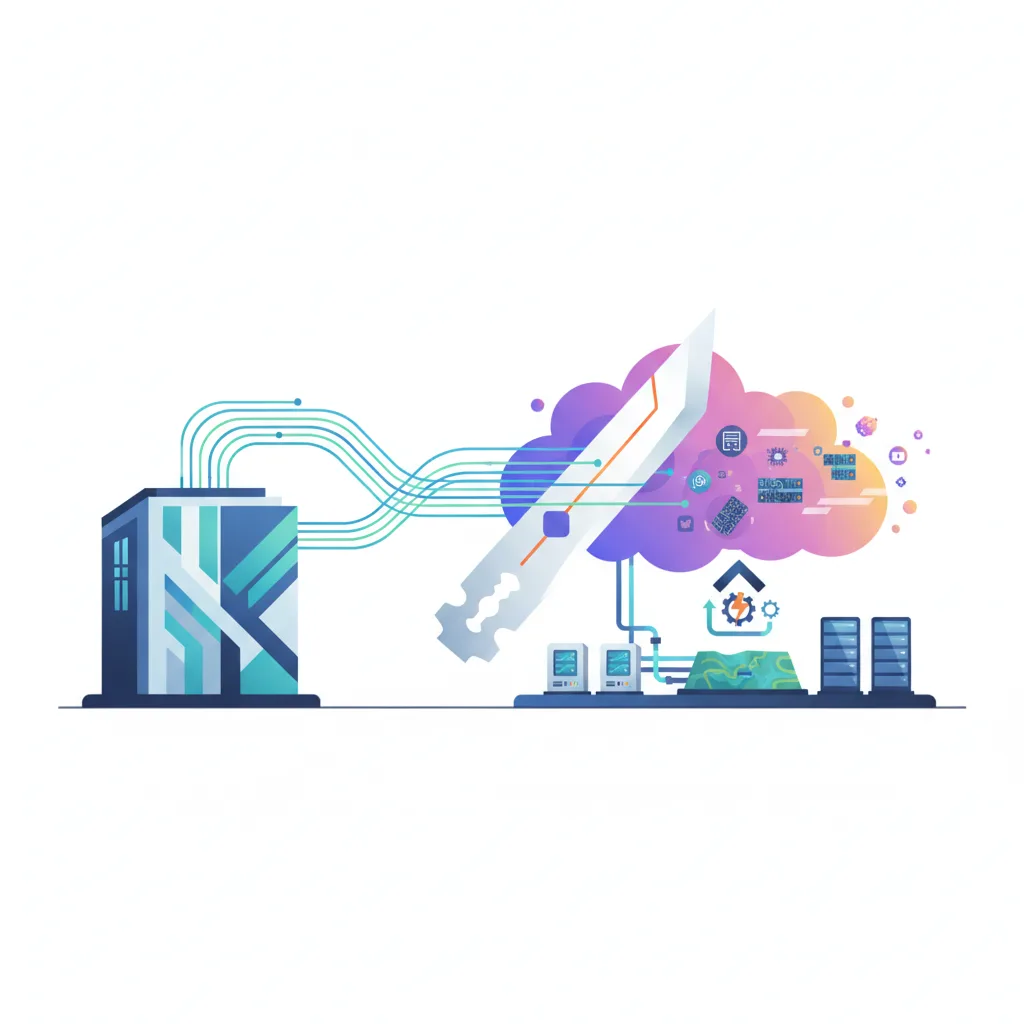
Yet, whenever a major technological shift accelerates, a wave of marketing hype inevitably follows. Every facility upgrade or regional real estate acquisition is suddenly branded as a revolutionary leap in infrastructure design. To understand where the industry actually stands today, we need to separate genuine structural innovations in data center architecture from the breathless press releases.
The Real Drivers Behind Modern Data Center Expansion
The relentless scaling of modern workloads—ranging from massive distributed machine learning pipelines to complex autonomous cloud services—has created unprecedented physical bottlenecks. Traditional data centers, designed primarily for standard web hosting and enterprise database management over the past two decades, are simply not optimized for the extreme thermal and electrical densities of today's specialized hardware clusters.
This reality has forced a fundamental rethink of site selection and facility design. Instead of clustering exclusively in traditional metropolitan hubs where fiber is abundant but grid capacity is heavily constrained, data center operators are looking outward. Remote regions with access to reliable power corridors, favorable climate conditions for natural cooling, and expansive land availability are increasingly attractive. However, building in these locations introduces its own set of logistical hurdles, particularly regarding long-haul network latency and specialized labor availability.
Separating Fact from Hype in Infrastructure Innovations
To navigate the current noise surrounding data center development, IT decision-makers and tech professionals must look closely at what is technically viable today versus what remains experimental or largely promotional.
1. Cooling Technologies: Air vs. Liquid
The Hype: Every new facility claims to feature revolutionary thermal management that completely eliminates traditional air conditioning constraints.
The Reality: While direct-to-chip liquid cooling and immersion technologies are moving from niche deployments to mainstream necessity for high-density compute nodes, retrofitting legacy facilities remains exceptionally difficult. Next-gen facilities are indeed designed from the ground up for hybrid air and liquid systems, but widespread adoption requires standardized hardware components and careful fluid management practices that are still maturing.
2. Power Independence and Grid Integration
The Hype: Data centers will soon operate entirely off-grid, running continuously on dedicated clean energy microgrids.
The Reality: Facilities are actively experimenting with localized power generation, advanced battery storage, and direct utility partnerships to ensure continuous uptime. However, the sheer scale of electrical demand means that tying into robust regional transmission grids remains mandatory. The real innovation lies in load flexibility and intelligent energy management systems that can dynamically shift consumption patterns based on grid strain.
3. Modular and Rapid Deployment
The Hype: Entire hyper-scale data centers can now be pre-fabricated and assembled in a matter of weeks anywhere on earth.
The Reality: Modular construction techniques and pre-assembled server pods have drastically shortened construction timelines compared to traditional multi-year civil engineering projects. Nevertheless, securing regulatory permits, water rights, and high-voltage electrical interconnects still takes years of meticulous planning and negotiation.
Key Considerations for Evaluating Next-Gen Data Center Infrastructure
When assessing modern infrastructure partners or planning long-term cloud and compute strategies, organizations should look past generic marketing buzzwords. A clear-eyed evaluation requires focusing on concrete metrics and operational realities.
- Power Usage Effectiveness (PUE): Look for transparent, historical PUE metrics rather than theoretical best-case projections.
- Thermal Resiliency: Ensure facilities are architected for the specific thermal density of your hardware deployments, particularly if you are running intensive distributed workloads.
- Network Topology: Geographic expansion for cheap power is valuable only if the underlying network architecture maintains acceptable latency profiles for your users and client applications.
- Regulatory and Environmental Compliance: Assess the facility's long-term sustainability commitments, water consumption metrics, and local zoning stability.
Looking Ahead: The Sustainable Horizon
The evolution of next-gen data center infrastructure is not about a single miraculous breakthrough; it is a steady, hard-fought engineering transition. As computational demands continue to climb, the competitive edge will belong to operators who master the unglamorous fundamentals of thermal dynamics, electrical engineering, and sustainable resource management.
For tech-curious professionals and IT leaders, keeping a balanced perspective on these developments is essential. By looking past the superficial hype and focusing on scalable, robust engineering practices, organizations can better anticipate where the backbone of our digital infrastructure is truly heading in the years to come.
Related guides
- Hybrid cloud FinOps: controlling distributed infrastructure costs
- Cloud infrastructure resiliency: designing fault-tolerant architectures
- Cloud hosting and server management
For a general overview, see the Wikipedia article on data centers.