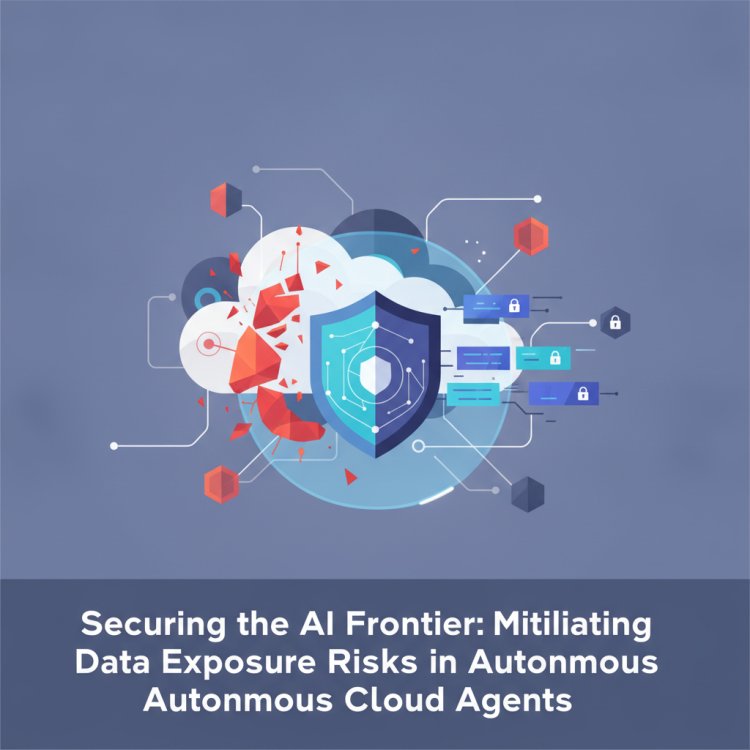
The boundaries of enterprise technology are shifting faster than ever. As organizations increasingly deploy autonomous cloud agents, machine learning pipelines, and interconnected microservices, the surface area for potential security breaches expands exponentially. Recent high-profile disclosures involving massive data exposures—including massive repositories of enterprise records mistakenly left accessible—serve as a stark reminder that legacy security models are no longer sufficient for modern cloud architectures.
When artificial intelligence and automated systems are given deep access to enterprise data lakes, the stakes of a misconfiguration rise dramatically. Securing this new frontier requires a fundamental shift in how IT decision-makers, developers, and security professionals think about identity, perimeter defense, and continuous monitoring.
The Anatomy of Modern AI and Cloud Data Exposure
Traditional data breaches often relied on sophisticated malware or targeted phishing campaigns to penetrate a corporate network. Today, however, many of the most critical vulnerabilities stem from operational complexity. As companies stitch together cloud data stores, third-party APIs, and autonomous AI agents, the points of integration frequently introduce invisible security gaps.
Autonomous agents require broad permissions to read, analyze, and synthesize vast quantities of information to be truly useful. If an attacker—or an unauthorized user—discovers a misconfigured storage bucket, an unauthenticated API endpoint, or an overly permissive service account, the results can be catastrophic. Instead of stealing a single database table, an exploit can potentially expose terabytes of unstructured enterprise records, internal communications, and proprietary source code.
Furthermore, machine learning models themselves can introduce vulnerabilities. Through prompt injection, data poisoning, or extraction attacks, malicious actors can manipulate AI systems into revealing sensitive training data or executing unauthorized administrative commands. Understanding these vectors is the first step toward building a resilient defense.
Core Defensive Strategies for Autonomous Systems
Protecting modern, highly automated cloud environments demands moving away from static perimeter security toward a zero-trust architecture. Here are the essential strategies organizations must implement to safeguard their data pipelines and AI deployments:
- Enforce Strict Least-Privilege Access: Never grant an autonomous agent or service account broad, blanket permissions. Isolate workloads so that an agent only has access to the specific datasets required for its immediate function.
- Implement Automated Configuration Audits: Cloud environments change by the minute. Relying on manual audits is a recipe for failure. Deploy automated infrastructure-as-code (IaC) scanners and continuous posture management tools to flag public-facing buckets or loose IAM policies instantly.
- Sanitize and Validate AI Inputs: Treat all inputs to machine learning models with the same suspicion as user input in a traditional web application. Implement rigorous input validation and output filtering to prevent prompt injection and data exfiltration.
- Maintain Comprehensive Audit Trails: Ensure that every data access request made by an autonomous agent or cloud service is logged, monitored, and analyzed for anomalous behavior. Behavioral analytics can often detect a compromised service account before widespread data loss occurs.
A Practical Checklist for IT and Security Teams
To evaluate your organization’s current readiness against advanced cloud and AI data exposure risks, walk through this actionable checklist with your engineering and security leads:
- Map All Data Flows: Create a comprehensive inventory of where sensitive data lives, how it travels between cloud storage, and which AI agents or microservices touch it.
- Review Identity and Access Management (IAM): Audit all active service tokens, API keys, and machine-to-machine authentication credentials. Revoke any legacy tokens that lack expiration dates or multi-factor constraints.
- Test for Misconfigurations: Run regular penetration tests and automated red-team simulations specifically targeting cloud storage permissions and API gateway security.
- Establish Incident Response Playbooks: Designate specific workflows for revoking compromised AI agent access instantly without disrupting core business continuity.
- Foster Cross-Functional Training: Ensure that data scientists, developers, and traditional security operations center (SOC) analysts speak the same language regarding AI risk and cloud hygiene.
Looking Ahead
The convergence of advanced automation and cloud computing offers incredible productivity gains, but it also amplifies the consequences of security oversight. As technology continues to evolve, defensive strategies must adapt to match the speed and autonomy of modern software systems. By embracing a proactive, zero-trust mindset and rigorously auditing how data flows through our digital ecosystems, organizations can harness the power of innovation while keeping critical information safe from prying eyes.
Security is not a static destination, but a continuous practice of vigilance, adaptation, and architectural discipline. Investing in robust data governance today ensures a resilient and secure technological landscape for tomorrow.